Old School RuneScape is easy to misunderstand if you approach it as a museum piece. The low-resolution characters, clicking rhythms, and deliberately awkward menus appear to belong to a vanished internet, somewhere between a beige family computer and a stack of burned CDs. Yet the game has survived because its age is not merely decorative. Its limitations still shape how players think, wait, plan, and remember.
I came back to it expecting a small dose of nostalgia. Instead, I found a system with an almost severe confidence in delayed gratification. It does not constantly reward attention. It asks what attention is worth when nobody is standing over you with a quest marker, a cinematic, or a battle pass timer. That question feels unusually relevant now, when many games have become excellent at filling every empty second.
Why Old School RuneScape Still Feels Different
The first difference is pace. In Old School RuneScape, progress often happens through repetition that is visible but not theatrical. A mining level rises. A bank fills with ore. A route becomes familiar. You do not necessarily feel powerful after ten minutes; you feel slightly more prepared than you were before. The game measures improvement in small increments, like a notebook kept over many months.
That pace can be irritating, especially for players accustomed to modern progression systems. There is no guarantee that every session will produce a dramatic story. You might spend an evening cutting teak logs, fishing at a dock, or buying supplies for a task that will not pay off until later. But the absence of spectacle gives ordinary actions weight. A short session before work can still fit inside the larger shape of a character’s life.
The interface contributes to this feeling. The inventory grid is not elegant, and the older visual language is not trying to flatter the player. Items sit there as objects in a system rather than as polished rewards in a showroom. That bluntness creates a kind of trust. The game rarely pretends that a routine task is an epic transformation.
Friction Is Part of the Design, Not a Mistake
Old School RuneScape treats inconvenience as a resource. Running back to a bank, choosing which equipment to bring, and deciding whether a risky trip is worth the potential profit all create small decisions. None is individually profound. Together, they produce texture. Remove every inconvenience and you do not simply save time; you erase the pressure that made time meaningful.
This is where the game differs from a lot of contemporary quality-of-life design. Modern improvements often assume that the ideal player should spend less time navigating and more time reaching the exciting content. Old School RuneScape asks a less comfortable question: what if navigation is part of the content? A dangerous shortcut, a scarce teleport, or an inconvenient bank location can become part of your mental map.
The game is not always correct to preserve friction. Some tasks are tedious in ways that reveal no interesting choice, and newer updates have occasionally improved rough edges without destroying the underlying character. The important distinction is between friction that creates judgment and friction that merely consumes minutes. The best parts make you consider risk, supplies, distance, or opportunity cost. The worst parts feel like an old printer refusing to acknowledge a full paper tray.
An Economy Built From Player Attention
The economy gives Old School RuneScape another unusual quality: money represents time more directly than it does in many games. A pile of coins can mean hours of combat, careful trading, resource gathering, or a lucky drop. Prices move because players collectively decide what their time is worth. The Grand Exchange turns that decision into a public, constantly shifting argument.
This does not make the economy perfectly rational. Players chase fashions, respond to updates, and sometimes overvalue an item because it carries social status. Expensive gear can be useful, but it can also function as a visible receipt for persistence. A player wearing a rare item is communicating more than combat strength. They are showing that a particular set of hours happened.
For an adult returning after a long absence, that economy can be both inviting and intimidating. You do not need to own the best equipment to find a place in it. A modest routine can support a useful goal: training a combat style, funding a quest requirement, or buying supplies for a first serious boss attempt. The game allows ambition to be scaled to the time available, which is more considerate than its reputation suggests.

How to Return Without Turning It Into a Second Job
The safest way back into Old School RuneScape is to choose a short-term purpose before opening a dozen guides. Set a goal that can survive an ordinary week. Completing a quest line, reaching a combat level, unlocking a travel route, or earning enough for one piece of equipment is more useful than declaring that you will become maximally efficient.
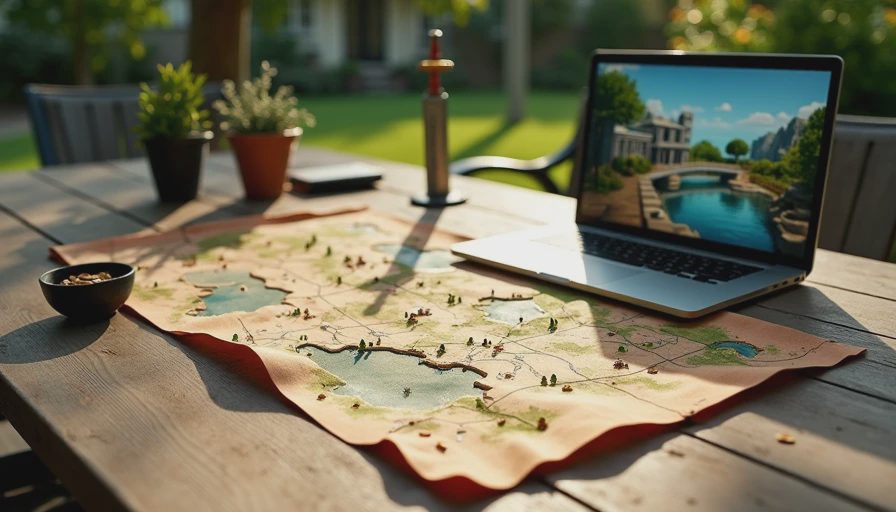
Efficiency guides can help, but they also flatten the game if followed too early. A spreadsheet may tell you the fastest route to a level while quietly removing the discovery that made the route worth remembering. I prefer using guides as maps rather than marching orders. Learn what a quest requires, then leave room to make a few inefficient choices of your own.
The same advice applies to account security and spending. Use the official client or a well-established approved option, enable available account protections, and be skeptical of offers involving third-party currency or suspicious downloads. Old games attract old scams because players assume anything familiar is harmless. Familiarity is not a security feature.
The Memory Inside the Machine
What stays with me is not a particular polygon or soundtrack cue. It is the sense of returning to a world that does not need to congratulate me for being there. Old School RuneScape can be quiet for long stretches. A character stands beside a furnace, an avatar crosses a field, and the next meaningful event remains several minutes away. That silence is not empty. It gives memory somewhere to settle.
Higher resolution is not the same thing as higher memory. Some improvements are real. Some are only brighter. Old School RuneScape remains compelling because it preserves a relationship between effort and recollection that many newer games polish away. You remember the place where you trained, the route you took, the item you could not afford, and the stranger who helped without turning the moment into a scripted scene.
That does not make the game universally comfortable. Its repetition can test patience, and its interface can feel like a locked drawer from another decade. But for players with less free time and more interest in meaningful routines, its resistance has become part of the appeal. Old School RuneScape does not ask you to admire the past. It asks whether you still have the patience to inhabit it.



No notes yet — write the first one.