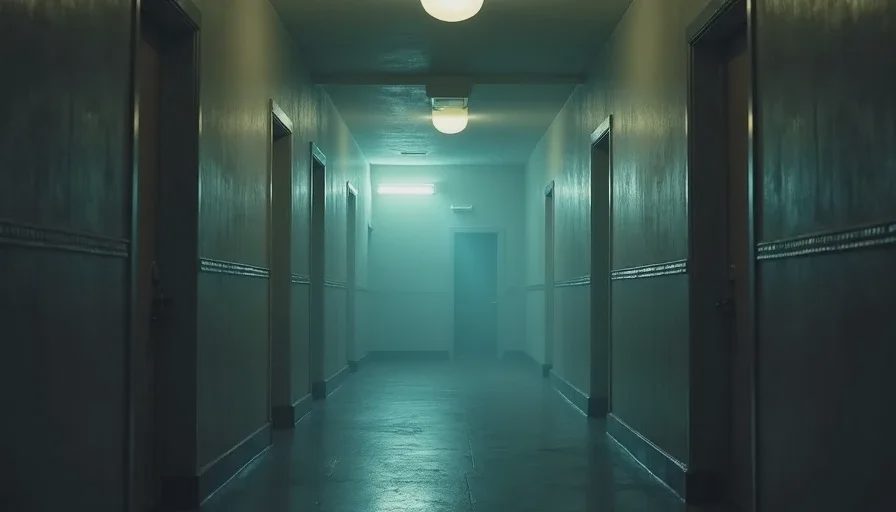
Better lighting is usually listed among the unambiguous gains of a remaster. Shadows gain definition. Surfaces receive more accurate bounce. Color grading becomes richer. The image stops fighting the display. Players notice the improvement immediately and, in most cases, correctly identify it as progress. What is harder to notice is the quieter loss that sometimes travels with the same change: the erasure of a lighting scheme that was doing emotional work precisely because it was limited.
Sixth-generation lighting was rarely a pure aesthetic choice. It was a negotiation with memory budgets, fill-rate limits, and the practical number of active lights an engine could sustain. Developers learned to make scarcity readable. A single practical source could define an entire room. Fog and darkness were not only atmospheric tools; they were techniques for managing draw distance and texture resolution. The resulting image often withheld information. That withholding shaped how players moved, how they anticipated threat, and how they remembered the space after the console was turned off.
When a remaster rebuilds the same scenes with modern lighting tools, the withholding is frequently the first element to disappear. Every corner becomes legible. Material response becomes consistent. The eye is given more data than the original ever intended to supply. Clarity increases. In certain cases the emotional temperature drops.
Scarcity as Atmospheric Method
Consider the functional difference between a corridor lit by one flickering source and the same corridor lit by a full global-illumination solution. In the original, the flickering source creates moving boundaries of safety and risk. The player’s attention is forced toward the pool of light and the darkness beyond it. Footsteps sound different when they leave the lit area. The geometry itself feels conditional. The limited light budget turns the space into a sequence of decisions rather than a continuous volume.

Modern lighting can preserve a version of that flicker, yet the surrounding bounce and fill usually soften the binary. Detail remains visible in the shadows. The darkness stops being a hard edge and becomes a gradient. The corridor is still moody. It is no longer doing the same work. The original scarcity trained the player to treat light as a finite resource inside the world. The remastered version often treats light as a fully solved rendering problem. The psychological effect is not identical.
I have sat with both versions of certain games long enough to feel the shift in my own posture. In the original I lean forward slightly when the light source is behind me. In the remaster I remain more upright; the environment has already told me there is nothing unseen in the corners. The information is more complete. The sense of provisional safety is reduced. Higher fidelity has removed a form of productive uncertainty that the limited original had no choice but to maintain.
Color, Fog, and the Loss of Specificity
Lighting changes rarely arrive alone. They bring adjustments to color grading, fog density, and contrast. Original sixth-generation titles often used aggressive fog and limited color palettes partly to hide technical constraints. Those same tools also produced highly specific moods: the green-gray of certain survival-horror interiors, the washed-out daylight of particular outdoor sections, the way practical lights would bloom against low-resolution textures. The look was inseparable from the hardware that produced it.
Remasters frequently normalize these choices. Fog is thinned so that geometry remains readable at greater distances. Color is expanded to take advantage of wider gamuts. Bloom is recalibrated for HDR. Each decision can be defended on technical grounds. The cumulative result is often a more neutral image—one that looks expensive and less particular. The original’s narrow palette and heavy atmosphere were not universal virtues, but they were signatures. When the signature is smoothed, the game becomes easier to see and harder to remember as a distinct place.
This is not an argument against every lighting upgrade. Some remasters use the new tools to recover an intention that the original hardware could only approximate. In those cases the emotional temperature rises rather than falls. The difference lies in whether the new lighting is treated as a pure technical improvement or as a reinterpretation that must still serve the original pressure. Too often the former approach dominates. The image is cleaned until it no longer carries the same weight of limitation.
Measuring What Remains
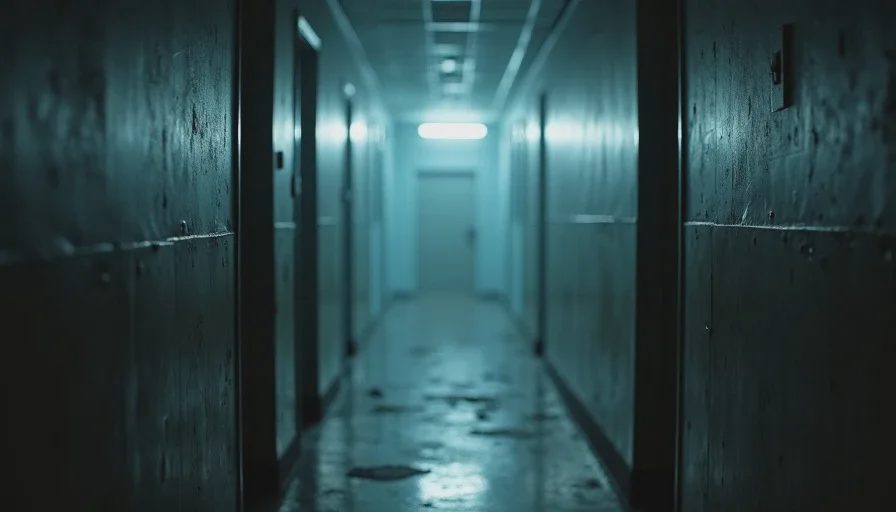
The practical test I use is simple. After playing a section in both versions, I ask which one leaves the stronger afterimage of the space itself. Not the story events, not the combat encounters—the spatial memory. In a surprising number of cases the original, with its cruder lighting, remains more distinct. The limited light sources created stronger landmarks. The darkness gave walls and doorways a heavier presence. The remaster’s more even illumination makes the same geometry feel continuous and therefore less punctuated.
Adult players with limited time are especially sensitive to this difference. A game that looks richer can still feel thinner if the lighting no longer organizes attention and emotion with the same force. The original’s constraints forced a kind of editorial discipline on the image. Modern tools remove the necessity for that discipline. What remains is a matter of choice, and choice is easier to dilute than necessity.
I do not miss the aliasing or the low resolution. I miss the occasions when a single light source was allowed to define an entire emotional register because the engine could not afford more. Better lighting can reveal more of the world. It can also erase the particular way the world once withheld itself. The distinction is worth keeping visible. Higher resolution is not the same thing as higher memory. The lighting is often where the difference becomes measurable.





No notes yet — write the first one.