The Witcher 3: Wild Hunt is often described as a massive open-world role-playing game, which is accurate in the same way that calling a storm weather is accurate. It is large, but size is not its central achievement. The remarkable thing is how often its world makes a small errand feel morally complicated, geographically specific, and emotionally difficult to forget. For adults with limited free time, that distinction matters. This is not simply a game with more map icons than an evening can survive. It is a place that understands postponement, regret, and the strange tenderness of helping someone when the reward is mostly knowing you did.
A world built from consequences, not scenery
The Northern Realms are beautiful, but beauty is not doing all the work. Villages sag under war. Roads pass through fields where ordinary lives have been interrupted by armies, monsters, and hunger. The game’s environmental design gives these places a history before Geralt arrives. A burned settlement is not just a darker texture set; it is evidence. A locked door suggests fear, poverty, or someone who has learned not to trust strangers.
That specificity gives exploration weight. You can ride Roach toward a marked objective and still be pulled into a roadside dispute, a ruined tower, or a voice calling from somewhere behind the trees. The map does not merely distribute content. It creates competing obligations. You begin with one plan and end the night wondering whether you made the least harmful choice available.
The game also understands that not every discovery needs a grand conclusion. Some abandoned places remain damaged. Some people do not become your friends because you helped them. That refusal to convert every interaction into a clean reward is one reason The Witcher 3: Wild Hunt continues to feel unusually adult.
The side quests are the actual architecture
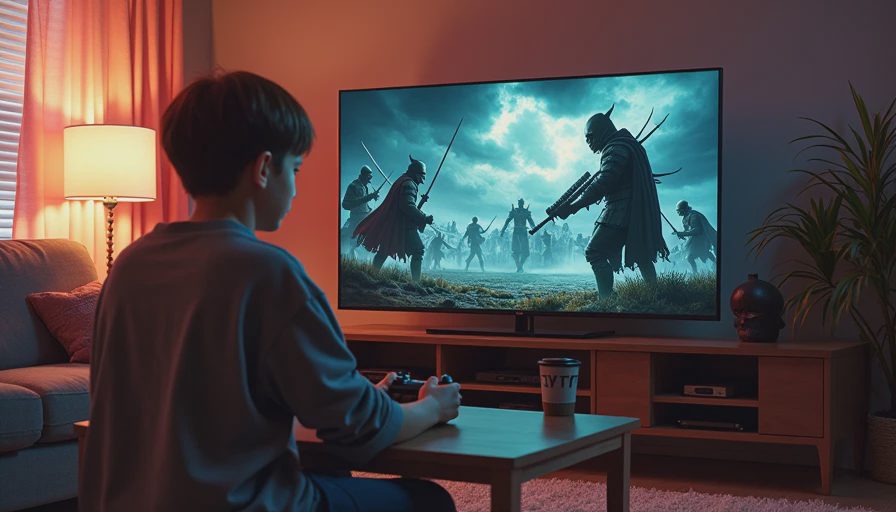
Many open-world games treat side quests as decorative scaffolding around a main story. The Witcher 3: Wild Hunt often reverses that relationship. Its central plot provides momentum, but the side quests provide texture, contradiction, and memory. A contract can begin as a practical monster hunt and become a question about exploitation. A missing-person investigation may lead to an answer that nobody wanted.
The best quests do not announce their themes in advance. They let details accumulate: a body left in the wrong place, a family story that changes under pressure, a creature that behaves less like a villain than a consequence. The writing can be blunt, occasionally theatrical, but it is rarely indifferent. Even its jokes tend to sit beside damage rather than erase it.
This is where the game’s age becomes interesting. Its animations and menus can feel dated beside newer releases, yet the quest logic still feels more confident than many technically superior worlds. It trusts the player to remember names, recognize patterns, and live with incomplete information. Higher resolution is not the same thing as higher memory.
Combat, preparation, and the pleasure of being underpowered
Geralt’s combat system is not flawless. Swordplay can become repetitive, especially when the enemy variety does not keep pace with the number of encounters. Movement sometimes has the stubbornness of an old machine. Geralt may pivot too far, catch on terrain, or perform an action with the solemn commitment of a man signing a mortgage.
Still, the surrounding preparation gives fights more meaning than button timing alone. Oils, bombs, signs, food, potions, and equipment encourage you to read an opponent before charging in. On higher difficulties, preparation becomes a form of attention. You learn what a monster does, where it came from, and which tools make the encounter less wasteful.
The result is not a perfect action game. It is something more specific: a role-playing system that makes knowledge feel useful. A player who studies a creature’s weaknesses is not merely optimizing damage. They are inhabiting Geralt’s profession. The game asks you to approach danger as work, with research, maintenance, and the possibility that a contract will not go according to the brochure.

Why the expansions matter so much
The two major expansions are not disposable additions bolted onto an already finished product. Hearts of Stone narrows the focus and becomes almost fable-like, with a story about bargains, appetite, and the price of getting exactly what you asked for. Its roads feel more concentrated because the expansion has less geographical sprawl to manage. The mood is intimate in a way the main campaign often cannot be.
Blood and Wine moves in the opposite direction. Toussaint looks brighter, more romantic, and almost offensively picturesque, but its color does not mean its history is clean. Beneath the vineyards and ceremonial pageantry sits a story about old wounds that have learned to dress well. The contrast works because the game understands that beauty can conceal damage without canceling it.
Together, the expansions demonstrate a useful design lesson. Scale is not automatically depth. A smaller region with stronger thematic boundaries can linger longer than a continent full of interchangeable errands. The Witcher 3: Wild Hunt is at its best when its geography has an emotional grammar, not merely a travel time.
Returning now: what to adjust first
A modern replay benefits from resisting completionist reflexes. You do not need to clear every question mark in the sea, craft every diagram, or treat the map like a spreadsheet with unfinished cells. Choose quests because their premise interests you. Follow a character for a while. Let some content remain unseen. A world feels larger when it is not fully converted into inventory.
On current platforms, the next-generation update improves presentation with sharper visuals, faster loading, camera adjustments, and additional quality-of-life options. Those changes are useful, especially when returning after years away. They do not erase the older game’s slightly muddy atmosphere, though, and some lighting changes make familiar places feel more polished than remembered. A game can become cleaner and less alive at the same time.
The best settings are therefore personal. Use the conveniences that reduce friction, but do not assume every convenience improves attention. If a minimap keeps you from looking at the road, reduce it. If a higher difficulty makes preparation meaningful, try it. The point is not to preserve hardship for its own sake. It is to preserve the sensation of being somewhere rather than processing a queue of objectives.
The quiet reason it still works
The Witcher 3: Wild Hunt endures because it takes ordinary sadness seriously. Its grandest moments involve kingdoms, prophecies, and supernatural threats, but its most durable scenes are often smaller: a conversation beside a muddy road, a room that tells you who used to live there, a decision that saves one person while disappointing another. The game rarely offers the comfort of perfect outcomes.
That is also why it fits the life of a busy adult better than its enormous runtime suggests. You can play for twenty minutes and still encounter a complete little human problem. You can spend a weekend inside it and emerge with fewer answers than you expected. Its abundance is not always efficient, but it is often generous.
The Witcher 3: Wild Hunt is not timeless because every system survived untouched. It is timeless because its imperfections remain attached to a particular feeling: traveling through a damaged world, looking for work, and discovering that the work has already become personal. Some improvements are real. Some are only brighter. The old signal is still there beneath both.




No notes yet — write the first one.