Speedrunning is often presented as a contest against a clock, but that description misses the strange intimacy of the practice. To speedrun an older game is to study its hidden grammar: which doors load rooms, which enemies can be ignored, which animations can be interrupted, and which mistakes the original developers quietly left behind. For players who grew up with the PlayStation 2, original Xbox, or GameCube, that study can feel less like destroying a memory than examining it under a bright, unforgiving lamp.
The result is not always beautiful. A route can turn a once-haunting hallway into a sequence of inputs. A skip can erase the scene you remembered most clearly. Yet the process reveals how those games were assembled, and why their limitations sometimes produced such durable atmosphere.
Why older console games reward close examination
Sixth-generation games were full of thresholds. A door might trigger a loading screen, a camera might swing into position only after a character crossed an invisible line, and a cinematic might begin because the player stood in exactly the right patch of floor. These systems were not merely technical inconveniences. They shaped pacing. They told players when to pause, when to anticipate danger, and when a space had become safe.
Speedrunning makes those thresholds visible. In Resident Evil 4, the difference between a casual route and a practiced one involves movement, inventory decisions, enemy behavior, and an increasingly precise understanding of the village’s geometry. In games such as The Simpsons: Hit & Run or Sonic Adventure 2: Battle, small movement choices accumulate until a familiar level feels almost architectural.
That is why a good run can make an old game seem larger rather than smaller. The player sees more of the machine, but also more of the design pressure behind it. A two-second door animation is suddenly evidence of memory constraints, streaming priorities, and an era before every surface was expected to remain seamless.

Glitches are history, not just shortcuts
The word glitch can imply carelessness, but in speedrunning it often describes a negotiated relationship with a game’s rules. Some techniques are harmless movement exploits. Others depend on collision errors, menu behavior, or a save system doing something its designers never intended. Their value is not simply that they save time. They show where the game’s model of the world stops being consistent.
Consider a wall clip in an early 3D platformer. The player is not passing through a wall in any meaningful physical sense; they are persuading a set of coordinates to occupy an impossible relationship. That distinction matters. The technique exposes the gap between what the camera communicates and what the game actually stores.
For older consoles, this gap can be especially revealing. Limited processing power encouraged games to divide the world into rooms, triggers, and carefully managed states. A route that skips a sequence may therefore reveal the scaffolding holding the atmosphere together. The haunted mansion was never one continuous place. It was a chain of remembered transitions, and speedrunning pulls at every seam.
The discipline behind a fast route
Good speedrunning is not frantic button pressing. It is repetition converted into information. A runner learns which inputs are essential, which are merely comforting, and which mistakes create a recovery problem five minutes later. The best routes reduce uncertainty before they reduce seconds.
A practical training routine starts with a stable version of the game and a clearly defined category. Any percent, glitchless, and restricted categories can produce completely different experiences. Next, divide the game into segments: opening movement, first major encounter, required items, boss sequence, and final escape. Practice one segment until its decisions are recognizable rather than mysterious. Then connect two segments and watch where fatigue or hesitation enters.
This approach also explains why speedrunning can fit an adult player’s limited free time. A full run may be impossible after work, but a twelve-minute segment is manageable. The notebook beside the console becomes a small diagnostic record: missed setup, late turn, poor item order, unnecessary fight. Progress arrives as fewer unknowns, not as a dramatic montage.
What remasters change for runners and observers
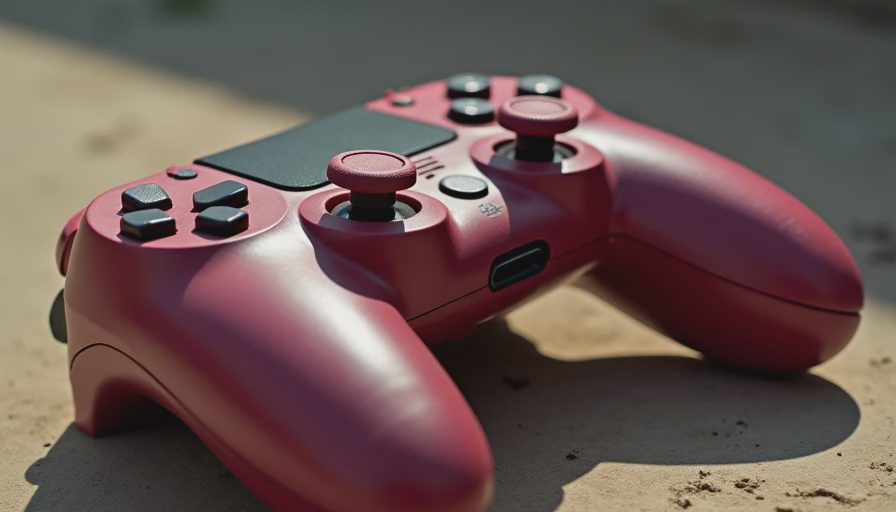
A remaster can improve a game while changing the conditions that made its route meaningful. Higher frame rates can alter jump timing. New loading behavior can remove a pause that runners used as a cue. Adjusted collision, lighting, audio timing, or controller latency can turn a familiar trick into dead knowledge.
Higher resolution is not the same thing as higher memory. A cleaner version may be easier to read while feeling less like the place remembered from childhood. For speedrunning, the difference becomes measurable: a door opens sooner, an animation cycles differently, or an enemy reaches a position on another frame. The route is no longer simply being performed on better hardware; it is being performed in another system.
That does not make the original morally superior. Some improvements are real. A stable frame rate and responsive controls can remove friction that had nothing to do with design. The useful question is what kind of friction disappeared. If the change removes technical noise, the game may become more legible. If it removes delay that shaped the route, it may become cleaner and less alive at the same time.
Why the clock is not the whole point
The timer gives speedrunning its visible structure, but the deeper reward is attention. After enough attempts, players notice the angle of a camera transition, the length of a footstep loop, and the exact moment a soundtrack gives way to room tone. A level becomes a score of pressures and releases rather than a sequence of objectives.
That attention can restore forgotten games without pretending they were flawless. A mid-budget title with awkward menus and uneven textures may still contain an elegant movement system. A famous adventure may reveal long stretches of waiting that nostalgia had edited out. The clock does not excuse those weaknesses. It makes them impossible to ignore.
For readers returning to these consoles, speedrunning offers a useful second playthrough even without a leaderboard goal. Choose one game, watch a route only long enough to understand its structure, and then play normally with that knowledge in the background. Notice what the runner skips, what the game insists upon, and which moments survive optimization. Often, the skipped material tells you what the original designers considered necessary; the surviving material tells you what the machine could not hide.
Starting without turning play into homework
Begin with a game you already understand, not necessarily the one with the most famous record. A compact title such as a platformer, racing game, or action game gives feedback quickly. Use a timer if you want measurable progress, but keep a written note of where the route becomes interesting. That observation is more valuable than shaving half a second from an opening screen.
Watch several runs from different players when possible. One runner may favor safety while another chooses a fragile trick with a larger payoff. The contrast reveals that a route is an argument, not a sacred text. Tools, controller preferences, version differences, and personal tolerance for resets all shape the final performance.
The old games are still there beneath the polished memories: segmented, temperamental, and full of accidental poetry. Speedrunning does not always make them warmer. It makes their construction visible. Sometimes that is enough to make a familiar hallway feel new again, which is a quieter achievement than nostalgia and a more durable one.




No notes yet — write the first one.