Between Frames
Environmental storytelling, cutscene rhythm, music, room tone, silence, and all the emotional residue games leave in the spaces between action.

Stardew Valley and the Quiet Design of a Life Worth Returning To
Stardew Valley remains one of gaming's rare quiet masterpieces, blending farming systems, memory, routine, and...
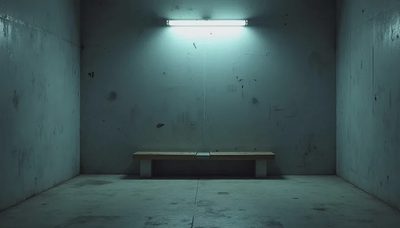
Between Frames: The Emotional Work Done by Silence
Silence in sixth-generation games was rarely empty. Limited audio budgets, longer loads, and deliberate sparse...

Dad Gaming Is Not About Skill Decline. It’s About Time Becoming Visible
The shift often labeled “dad gaming” is less about diminished reflexes than about the sudden visibility of lim...
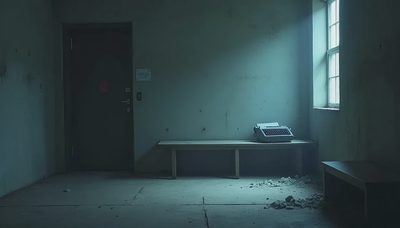
Why I Trust Old Save Rooms More Than Most Modern Hub Worlds
Old save rooms offered sparse, functional stillness that let residual tension settle. Modern hub worlds fill t...

A Game Does Not Need to Be Perfect to Become Permanent
Lasting games often carry visible flaws, uneven systems, and production limits. What makes them permanent is a...

The Difference Between Nostalgia and Evidence
Nostalgia softens the past into a sellable feeling. Evidence asks what sixth-generation games actually did wit...
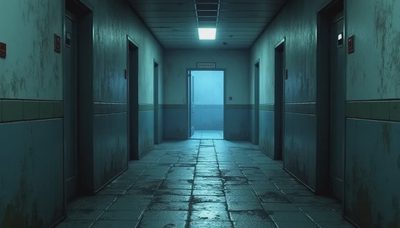
What Sixth-Generation Games Understood About Pacing That We Lost
Sixth-generation games used hardware limits, longer loads, and deliberate silence to create breathing room. Mo...

A Texture Is Never Just a Texture in an Old Horror Game
In sixth-generation horror, limited texture memory forced deliberate choices that turned surfaces into carrier...

Why I Started Writing About Old Games Instead of New Ones
A systems analyst in Oregon explains why limited free time and sharper taste pushed him away from new releases...